

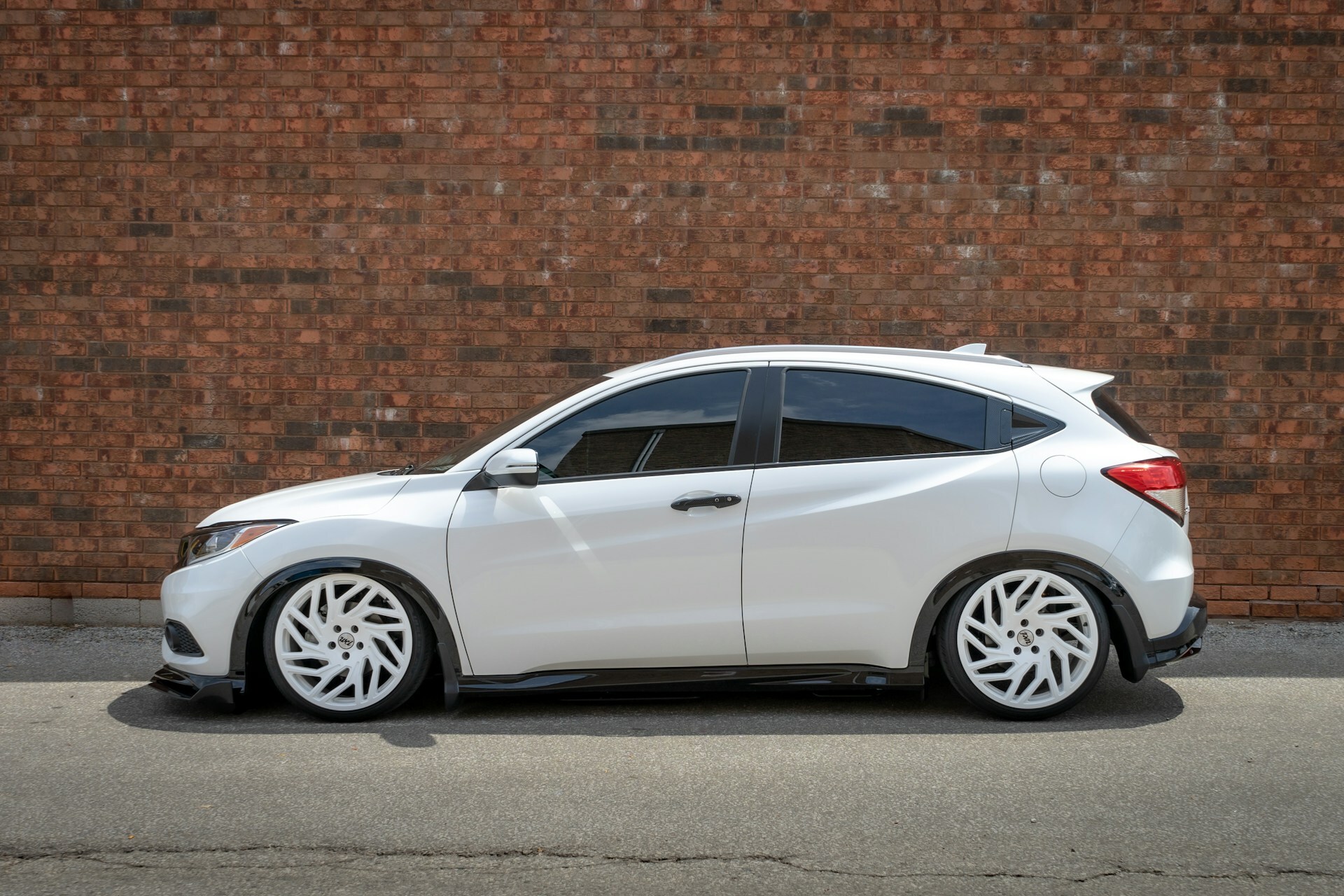
Stay Safer This Storm Season in Your Next Honda SUV
Storm season around Galveston hits hard, especially from late August through early fall. Heavy rain, strong winds, and quick street flooding can turn a normal drive into a stressful one in just a few minutes. Choosing the right new Honda SUV in Galveston is not just about style or comfort; it is about feeling confident when the weather turns fast.
Here, we will walk through a simple, storm-focused checklist you can use while you shop. We will talk about ground clearance, AWD versus FWD, cabin sealing, and what to watch for on your test drive. As a local Honda team that drives the same roads you do, from the Seawall to I-45, we want to help you pick an SUV that feels ready when the skies open up.
Why Ground Clearance and Approach Angles Matter in Flooding
Ground clearance is the space between the lowest point under your SUV and the road. A little extra height can help when you roll through standing water, broken pavement, or stray branches after a storm. It does not turn your SUV into a boat, though. No SUV should be driven through deep water.
Different Honda SUVs sit at different heights. In general:
- HR-V: Lower and more city-friendly, better for lighter water and smoother streets
- CR-V: A nice middle ground, good for everyday driving and stormy days
- Passport: Taller, more ready for rougher, washed-out roads
- Pilot: Family-friendly with solid clearance for most storm days
- Ridgeline: A pickup-style option that can help when roads get messy
When you are on the lot, take a slow walk around each SUV. Look at:
- How much space you see under the front bumper and side steps
- The angle of the front bumper, a sharper angle can help clear dips and curbs
- Tire size and sidewall height for soaking up holes and patched spots
Ask your sales consultant to show you the approach and departure angles on a couple of models. These describe how steep a ramp or driveway you can ease over without scraping. During storm season, that matters when you are easing out of driveways with washed-out edges or into parking lots where water has carved small dips.
AWD vs. FWD for Galveston’s Wet Roads and Standing Water
Front-wheel drive, or FWD, sends power to the front tires. This setup works well for most city and highway driving, even in heavy rain, as long as you drive with care and have good tires. All-wheel drive, or AWD, can send power to both the front and rear wheels to help the SUV grip better when the surface gets slick.
Many Honda SUVs offer Real Time AWD with Intelligent Control System. This setup can sense when the front wheels begin to slip and quickly share power with the back wheels. It can help you feel more planted when:
- Taking off from a wet stop at a busy intersection
- Merging onto the highway when rain is pouring
- Easing onto sandy shoulders or parking spots near the beach
Who may benefit most from AWD around Galveston?
- Daily commuters who drive back and forth to Houston
- Medical staff and first responders who need to get to work, even in storms
- Families who may need to leave the island on short notice
Drivers who stay mostly on well-drained city streets and want the best fuel economy may be fine with FWD. During your test drive in the rain, or with the road safely wet:
- Do a few gentle starts from a stop to feel how the SUV pulls away
- Drive through shallow puddles slowly to feel for straight, steady tracking
- Ask your consultant to point out any drive modes and stability control buttons
You want the SUV to feel calm and predictable, not twitchy or nervous, when the road is soaked.
Cabin Sealing, Air Quality, and Electrical Protection in Storms
A tight, well-sealed cabin matters a lot during a sideways downpour. Good seals around the doors, windows, and hatch help keep out water, spray, noise, and sticky Gulf humidity. That protects your seats, carpets, and electronics from slow leaks that can show up later as smells or stains.
Storms can also stir up mold, dust, and exhaust. Your Honda SUV uses a cabin air filter to help clean the air that comes through the vents. Some models may offer upgraded or higher-efficiency filters that catch finer particles. When the cabin is sealed well, that filtered air stays cleaner and outside smells and allergens have a harder time getting in.
On the lot, take a few minutes to:
- Open and close each door and the rear hatch and feel for solid latching
- Look at the rubber weatherstripping for cracks, gaps, or spots that look flattened
- Glance around the edges of the windshield and rear glass for clean, even seals
Ask about the service interval for the cabin air filter, and whether there are any higher-grade options for people with allergies or asthma. A fresh filter is helpful after big flooding events when the air can feel heavy and musty.
Storm-Ready Features to Prioritize and How to Test-Drive Like a Pro
Certain safety and convenience features can make storm drives less stressful. When you compare Honda SUVs, pay special attention to:
Must-have safety features for many shoppers:
- Honda Sensing driver-assistance suite
- Anti-lock brakes and stability control
- Tire pressure monitoring
- LED headlights and high-beam assist
- Rain-sensing wipers, if available
Nice-to-have comfort features when the weather gets rough:
- Remote start for cooling the cabin before you get in
- Heated side mirrors to clear fog and spray
- Power tailgate, ideally with hands-free access, for quicker loading in the rain
- Rear-seat USB ports for keeping phones and tablets charged during a long backup
Use your test drive to check how these work in real life. You can:
- Make sure driver-assist alerts are turned on and easy to adjust
- Test all wiper speeds and spray wash to see how well the windshield clears
- Turn headlights on in a shaded area and notice brightness and spread
- Confirm where the spare tire or repair kit is stored and how to reach it quickly
For the drive route, mix a few different road types that match your daily life:
- City streets with stop-and-go traffic and puddles near curbs
- Bridge or causeway sections where crosswinds are stronger
- Highway stretches that feel similar to a possible evacuation route
Pay attention to:
- Tire tread depth and type on the SUV you are testing
- Brake feel during calm, steady stops
- Visibility out the front, sides, and rear, especially around thick roof pillars
- Backup camera clarity and brightness in low light or under spray from the wash
Take quick notes on your phone between stops. Jot down how high you feel sitting, how the SUV rides over patched or bumpy spots, how quickly the windshield defogs, and your overall comfort level when you picture driving in a hard rain. Over a few test drives, that little checklist will help you zero in on the new Honda SUV in Galveston that makes you feel most ready for whatever storm season throws your way.
Drive Home Comfort, Safety, and Value Today
If you are ready to upgrade your daily drive, our team at Classic Honda Galveston is here to help you find the right fit. Explore your options for a new Honda SUV in Galveston and get tailored guidance on features, trim levels, and financing. We are happy to answer your questions, schedule a test drive, or walk you through next steps when you contact us today.
Categories:
News